Table of Contents
Your Indoor Tropical Canopy: How to Grow and Care for Bamboo Palms
Welcome back to Plant It! If you are looking to add height, texture, and a distinctly tropical, resort-like feel to your home, it is time to meet the Bamboo Palm (Chamaedorea seifrizii).
Named for its tall, slender, ringed green stems that closely resemble real bamboo stalks, this elegant palm is a favorite among interior designers and houseplant lovers alike. Unlike many other towering indoor trees that demand blazing, unobstructed sunlight (we’re looking at you, Fiddle Leaf Fig), the Bamboo Palm is a quiet overachiever that happily adapts to dimmer corners of your home.
Originating from the shaded understories of the lush forests of Mexico and Central America, this plant is naturally hardwired to thrive in the filtered, dappled light that mimics our indoor environments. In this comprehensive, deep-dive guide, we will walk you through exactly how to care for bamboo palm indoors, master its watering needs, and troubleshoot the occasional brown frond so your palm can reach its full, majestic potential.
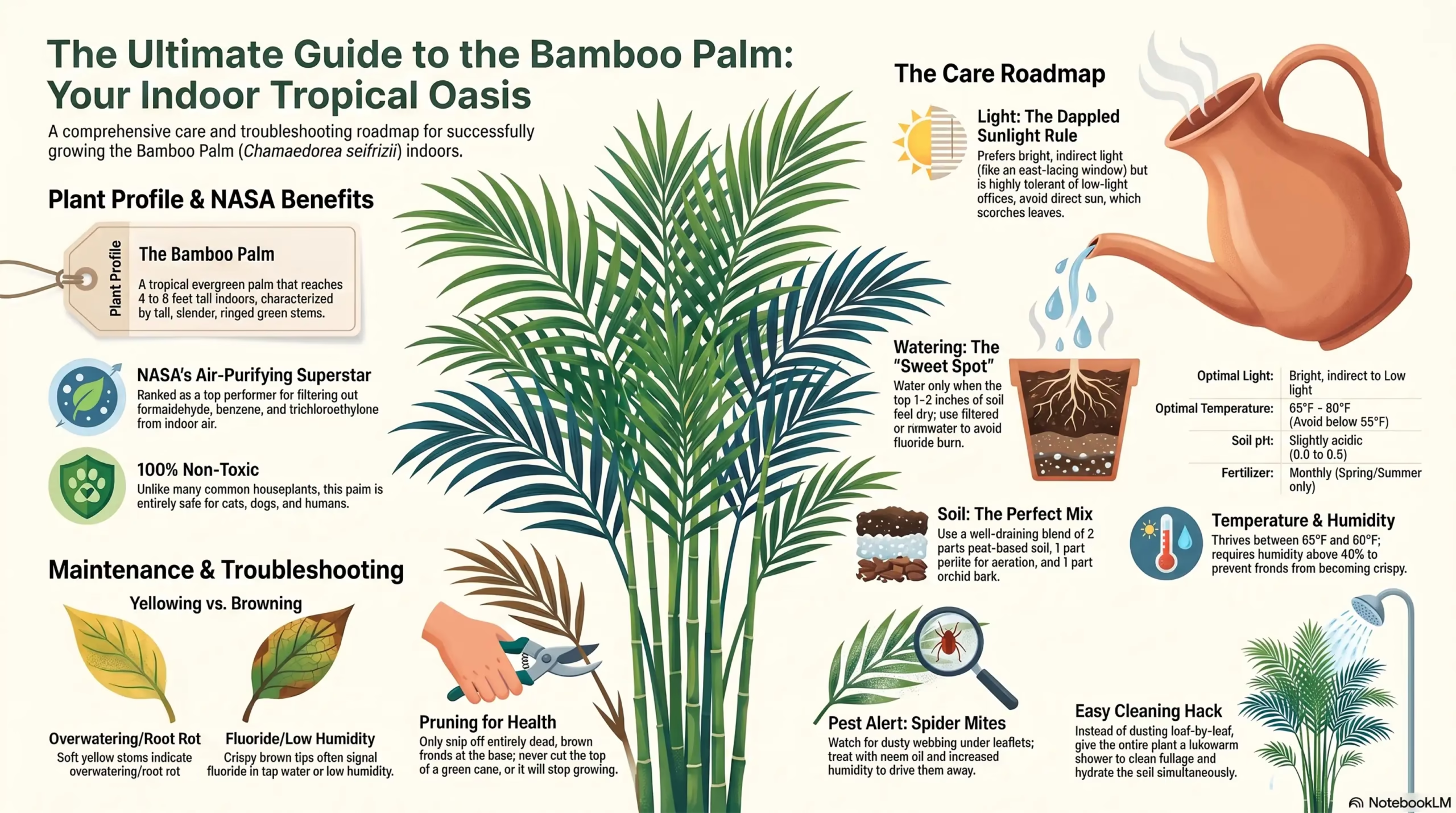
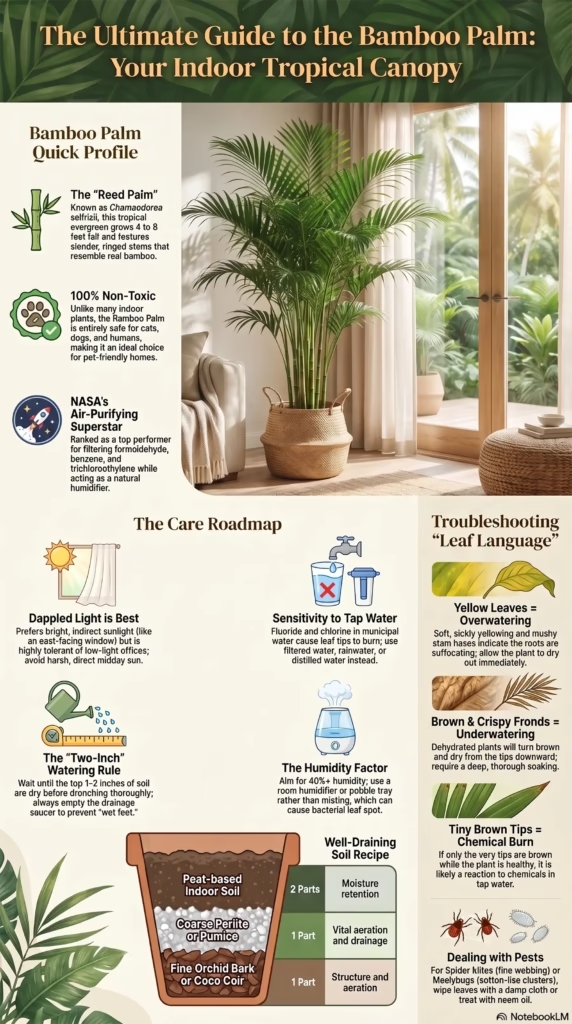
Bamboo Palm Profile Quick Look
| Feature | Details |
| Common Name | Bamboo Palm, Reed Palm |
| Botanical Name | Chamaedorea seifrizii |
| Plant Type | Tropical evergreen palm |
| Mature Size | 4 to 8 feet tall indoors |
| Sun Exposure | Bright, indirect light to low light |
| Soil Type | Rich, well-draining, peat-based mix |
| Soil pH | Slightly acidic (6.0 to 6.5) |
| Toxicity | 100% Non-toxic to cats, dogs, and humans |
| Native Area | Mexico and Central America |
Fun Fact: A NASA Air-Purifying Superstar
The Bamboo Palm isn’t just a pretty face; it is a hard-working addition to your home’s ecosystem. During NASA’s famous Clean Air Study in the late 1980s, the Bamboo Palm (Chamaedorea seifrizii) was ranked as one of the absolute top-performing houseplants for filtering out toxic airborne chemicals. It is specifically highly effective at removing formaldehyde, benzene, and trichloroethylene from stagnant indoor air, while simultaneously acting as a fantastic natural humidifier!
A Beginner’s Tips for Success
If you are intimidated by palms, keep these two golden rules in mind:
- They love humidity, but hate wet feet. Overwatering is the fastest way to kill a Bamboo Palm. They need moisture in the air, but their roots need to breathe in the soil.
- Patience is key. These palms are relatively slow growers indoors. Do not panic or over-fertilize if your plant isn’t shooting up a foot every month. Steady, consistent care wins the race.
How to Grow: The Master Roadmap
To keep those feathery fronds looking perfectly green and pristine, you need to replicate the balmy, shaded conditions of a Central American forest floor.
Light Requirements
Bamboo Palms are incredibly versatile. They naturally grow under the thick canopies of taller jungle trees, which means they prefer bright, indirect sunlight. An east-facing window or a few feet back from a south-facing window covered by a sheer curtain is absolute perfection.
However, they are highly tolerant of low-light conditions and will happily survive in a north-facing room or a moderately lit office. Just keep in mind that in lower light, their growth rate will slow down significantly, and they will drink much less water. Never put a Bamboo Palm in direct, harsh midday sun, as the intense rays will quickly scorch the delicate leaflets, leaving them bleached and crispy.
Soil Needs
Because this palm loves moisture but is highly prone to root rot if left sitting in mud, the best potting soil for bamboo palm in containers needs to strike a delicate balance between water retention and aeration.
Skip the dense, heavy garden soils and create a rich, airy blend:
- 2 parts high-quality peat-based indoor potting soil
- 1 part coarse perlite or pumice for vital drainage
- 1 part fine orchid bark or coco coir
Water: Finding the Sweet Spot
Figuring out how often to water indoor bamboo palm plants is the most crucial part of your routine. You want to keep the soil evenly moist, but never soggy or waterlogged.
Wait until the top one to two inches of the soil feel completely dry to the touch before watering. When it is time, drench the soil thoroughly until water escapes from the bottom drainage holes, and immediately empty the saucer. During the winter, when the plant goes dormant and growth stalls, cut back your watering schedule significantly, allowing the soil to dry out a bit further down.
Crucial Tip: Palms are highly sensitive to the fluoride and chlorine often found in municipal tap water, which can cause the tips of the leaves to burn and turn brown. If possible, water your palm with filtered water, distilled water, or rainwater.
Temperature and Humidity
Keep your home comfortably warm, ideally between 65°F and 80°F. Bamboo Palms absolutely despise the cold. Keep them far away from drafty winter windows, exterior doors, and blasting air conditioning vents. If the temperature drops below 55°F, the plant will suffer cold shock.
Humidity is a Bamboo Palm’s best friend. Standard indoor air is often too dry, especially in the winter when heaters are running. If your home’s humidity drops below 40%, the fronds will quickly dry out and turn crispy. Run a continuous room humidifier nearby or place the heavy pot on a large pebble tray filled with water to keep the ambient moisture high.
Fertilizer
Feed your palm with a balanced, slow-release granular palm fertilizer, or a liquid houseplant fertilizer diluted to half strength, once a month during the spring and summer growing seasons. Look for a fertilizer that contains micronutrients like magnesium, iron, and manganese, as palms easily become deficient in these. Pause all feeding in the fall and winter.
Varieties to Look For
While Chamaedorea seifrizii is the classic Bamboo Palm, there is a very closely related cousin you might encounter:
- Parlor Palm (Chamaedorea elegans): Often confused with the Bamboo Palm, the Parlor Palm is much smaller, more compact, and rarely grows taller than 3 to 4 feet indoors. It features slightly softer, more delicate fronds and lacks the distinct, thick “bamboo-like” cane stems of the seifrizii.
Pruning
Palms grow differently than other houseplants. An individual frond will not branch out or grow back if you cut it in half.
Over time, it is completely natural for the oldest, lowest fronds on the palm to turn yellow, dry up, and turn brown as the plant redirects energy to new top growth. When a frond is entirely dead and brown, simply use a pair of clean, sterilized pruning shears to snip it off cleanly at the base of the stem near the main cane. Never cut the top off a green, healthy cane, or that stem will stop growing entirely!
Propagating
Unlike pothos or philodendrons, you cannot propagate a palm from a stem or leaf cutting. While you can technically divide a mature plant at the root level, their roots are incredibly fragile, and division often results in severe transplant shock that can kill both halves.
Therefore, learning how to propagate bamboo palm from seeds is the most reliable, albeit slow, method.
- Purchase fresh Chamaedorea seifrizii seeds from a reputable nursery.
- Soak the seeds in warm water for 48 hours to soften their hard outer shells.
- Plant the seeds shallowly in a tray of moist, sterile seed-starting mix.
- Cover the tray with a humidity dome or plastic wrap and place it on a heat mat (they need temperatures around 80°F to 85°F to germinate).
- Keep the soil consistently moist. Be patient—germination can take anywhere from two to six months!
Potting and Repotting
- The Right Container: Bamboo Palms are tall and become top-heavy as they mature. Choose a heavy, thick-walled ceramic or terra-cotta pot to anchor the plant and prevent it from tipping over. Drainage holes are absolutely mandatory.
- When to Repot: They actually prefer to be slightly root-bound and resent having their roots disturbed. You only need to repot every two to three years, or when you see roots actively pushing out of the top of the soil or the bottom drainage holes. When you do repot, only go up one pot size (about 2 inches wider in diameter).
Common Pests and Plant Diseases
The dense, feathery canopy of a Bamboo Palm can unfortunately hide a few common indoor pests.
- Spider Mites: The absolute worst enemy of the indoor palm. These microscopic pests thrive in dry air. They spin fine, dusty webbing underneath the leaflets and suck the sap, causing the fronds to look pale, yellow, and mottled. Wipe the leaves down with a damp cloth, treat with neem oil, and drastically increase the room’s humidity to keep them away.
- Mealybugs: Look for sticky, white cotton-like clusters hiding deep where the frond stems meet the main canes. Dab them away with a cotton swab soaked in rubbing alcohol.
- Root Rot: A fungal disease entirely caused by overwatering and poor drainage. The canes will turn black and mushy at the base, and the soil will smell like a swamp.
Common Problems (Troubleshooting)
Why is My Bamboo Palm Turning Yellow and Brown?
This is the most frequent cry for help from palm owners.
- Overwatering (Yellowing): If the entire plant is turning a soft, sickly yellow, and the base of the stems feels slightly soft, the roots are suffocating in soggy soil. Let the plant dry out immediately.
- Underwatering (Brown and Crispy): If the fronds are turning a dry, crispy brown, starting from the tips and working their way down, the plant is dehydrated. Give it a deep, thorough soaking.
- Hard Water (Brown Tips): If only the very tips of the leaflets are turning brown, but the rest of the plant looks healthy, it is likely chemical burn from the fluoride in your tap water.
Pale, Washed-Out Green Leaves
If the fronds look faded, yellowish-green, or lack their usual vibrant color, the plant is either receiving too much harsh, direct sunlight, or it is suffering from a magnesium or iron deficiency. Move it to a shadier spot and apply a targeted palm fertilizer.