- Bold, Glossy, and Beautiful: How to Grow and Care for a Rubber Plant Indoors
- Rubber Plant Profile Quick Look
- Growing Indoors: Setting the Stage for Success
- Essential Rubber Plant Care
- Light Requirements
- Water: The "Soak and Dry" Method
- Temperature and Humidity
- Fertilizer
- Choosing the Right Container
- The Perfect Soil
- Repotting
- Signs it's time to repot:
- How to Repot Safely:
- Moving Outdoors for the Summer
- Common Problems Growing Rubber Tree Indoors
- Why Are My Indoor Rubber Plant Leaves Falling Off?
- Pests
- FAQ
Bold, Glossy, and Beautiful: How to Grow and Care for a Rubber Plant Indoors
Welcome back to Plant It! If you are searching for a striking, architectural statement piece to anchor your indoor jungle, look no further than the majestic Rubber Plant (Ficus elastica).
With its thick, glossy, oversized leaves and sturdy, upright growth habit, the Rubber Plant brings a bold, modern, and moody aesthetic to any room. Native to the lush, tropical rainforests of Southeast Asia, these plants can actually grow into massive, 100-foot-tall banyan trees in the wild! However, when confined to a pot in your living room, they become highly manageable, elegant indoor trees that top out around six to ten feet.
While they share a genus with the notoriously finicky Fiddle Leaf Fig (Ficus lyrata), Rubber Plants are generally considered much more forgiving and resilient. But “forgiving” doesn’t mean “invincible.” To get that rapid growth and brilliant shine, you need to understand their specific environmental needs. In this comprehensive, pillar-style guide, we will cover exactly how to grow and care for rubber plant indoors, how to transition them outside, and how to troubleshoot common indoor growing pains.
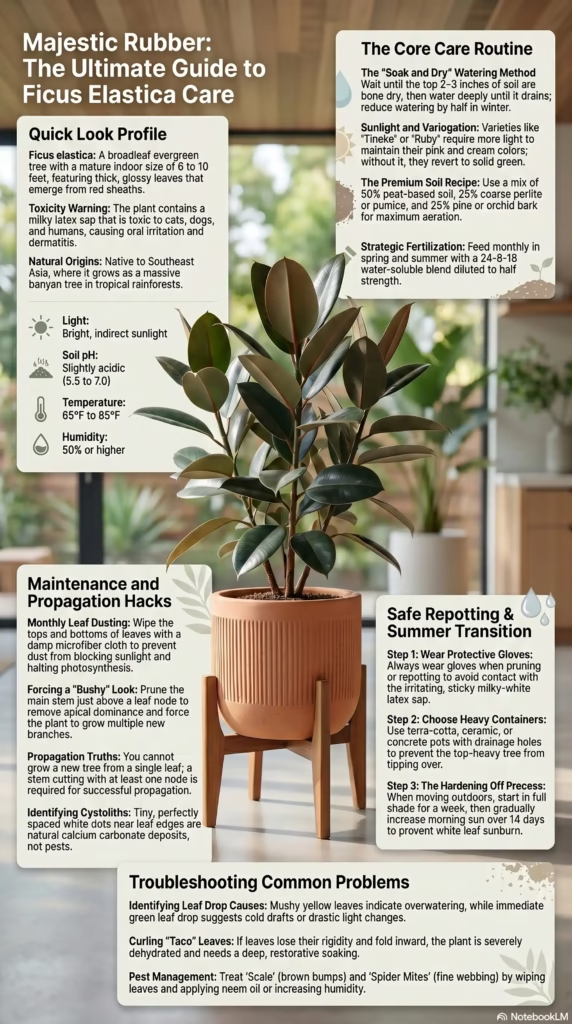
Rubber Plant Profile Quick Look
| Feature | Details |
| Common Name | Rubber Plant, Rubber Tree, India Rubber Bush |
| Botanical Name | Ficus elastica |
| Plant Type | Broadleaf evergreen tree |
| Mature Size | 6 to 10 feet indoors (up to 100 feet outdoors) |
| Sun Exposure | Bright, indirect sunlight |
| Soil Type | Chunky, well-draining, aerated potting mix |
| Soil pH | Slightly acidic (5.5 to 7.0) |
| Toxicity | Toxic to cats, dogs, and humans (contains irritating latex sap) |
| Native Area | Southeast Asia |
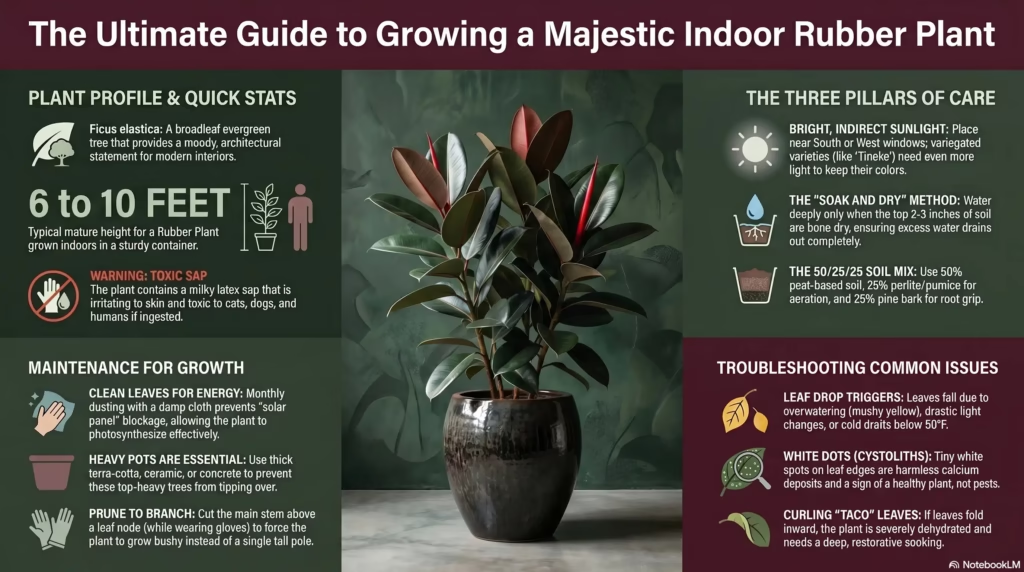
Growing Indoors: Setting the Stage for Success
Growing a tropical tree indoors requires a bit of environmental mimicking. Because Ficus elastica has such massive, broad leaves, they act like giant solar panels that love to collect dust. One of the most critical aspects of growing indoors is keeping those leaves clean.
Once a month, take a damp microfiber cloth and gently wipe down the top and bottom of every leaf. A heavy layer of household dust physically blocks sunlight, severely hindering the plant’s ability to photosynthesize and slowing its growth to a halt. Keeping them dust-free not only makes them look stunning but ensures they are absorbing every ounce of light available in your home.
Essential Rubber Plant Care
To keep your Rubber Tree pushing out new leaves (which emerge from beautiful, vibrant red protective sheaths!), you must provide consistent, specialized care.
Light Requirements
Rubber Plants thrive in bright, indirect sunlight. They want to see as much of the sky as possible without being baked by it. Place your plant a few feet back from a large south-facing or west-facing window, or right in front of an east-facing window where it can soak up the gentle morning rays.
If you have a highly variegated variety (like the popular Ficus elastica ‘Tineke’ or ‘Ruby’), they will require significantly more light than the dark green or burgundy varieties. Without adequate light, variegated Rubber Plants will lose their stunning pink and cream colors and revert to solid green to survive.
Water: The “Soak and Dry” Method
This is where most indoor gardeners make their fatal error. Rubber Plants are incredibly sensitive to overwatering. You must allow the soil to dry out significantly between drinks.
Wait until the top two to three inches of the soil feel completely bone dry before reaching for the watering can. When it is time, water deeply and thoroughly until it pours out of the bottom drainage holes, and immediately empty the excess water from the saucer. During the winter dormancy period, you should cut back your watering schedule by half.
Temperature and Humidity
Keep your home comfortably warm, ideally between 65°F and 85°F. Rubber Plants hate cold drafts; a sudden blast of 50°F air from an open winter door will cause immediate shock and leaf drop.
While they can adapt to average household humidity, they truly thrive when the humidity is bumped up to 50% or higher. Grouping them with other plants or using a room humidifier will keep their leaves supple and prevent the edges from turning crispy.
Fertilizer
Feed your Rubber Plant with a balanced, water-soluble houseplant fertilizer (like a 24-8-16 blend) diluted to half strength once a month during the active growing season (spring and summer). Stop feeding entirely in the fall and winter.
Choosing the Right Container
A mature Rubber Tree is a heavy, commanding plant with thick, rigid stems.
- Weight Matters: Because they grow vertically and produce large, heavy leaves at the top, they become incredibly top-heavy. Lightweight plastic pots will almost certainly tip over. Always choose a heavy, sturdy container made of thick terra-cotta, ceramic, or concrete.
- Drainage is Non-Negotiable: No matter how beautiful a pot is, if it does not have large drainage holes at the bottom, do not plant your Rubber Tree directly in it. If you must use a hole-less decorative pot, use the “cachepot” method: keep the plant in a plastic nursery pot with holes, and rest that inside the decorative container.
The Perfect Soil
Standard, dense potting soil straight from the bag is too heavy for a Ficus. It traps moisture against the roots and leads to rapid decay. The best potting soil mix for rubber plant indoors is one that provides structural support while allowing excess water to drain instantly.
Mix your own premium Rubber Plant soil by blending:
- 50% high-quality, peat-based indoor potting soil
- 25% coarse perlite or pumice (for massive aeration)
- 25% pine bark fines or orchid bark (to provide a chunky texture for the roots to grip)
Repotting
Understanding when to repot a rubber tree plant indoors is crucial for maintaining its size and health. These trees are fast growers when young and generally need to be repotted every 1 to 2 years.
Signs it’s time to repot:
- Roots are creeping out of the bottom drainage holes.
- Water runs straight through the pot without absorbing.
- The plant is so top-heavy it constantly falls over.
How to Repot Safely:
- Wear Gloves! When you break a root or snap a leaf on a Ficus elastica, it bleeds a sticky, milky-white sap (latex). This sap is highly toxic and a severe skin irritant. Always wear protective gardening gloves when repotting or pruning.
- Choose a new, heavy pot that is exactly 2 inches wider in diameter than the current one.
- Add a layer of your chunky soil mix to the bottom.
- Gently remove the plant from its old pot, loosen any tightly circling roots, and place it in the center of the new pot.
- Backfill with fresh soil, pressing down firmly to ensure the heavy trunk is supported, and water thoroughly.
Moving Outdoors for the Summer
If you want to see explosive growth, let your plant take a summer vacation! Learning how to move indoor rubber plant outside for summer requires a process called “hardening off.”
If you immediately move an indoor plant directly into the blazing summer sun, every single leaf will suffer severe, irreversible white sunburns. You must acclimate it slowly.
- Move the plant to a fully shaded outdoor spot (like a covered patio) for one week.
- The following week, move it to a spot that receives an hour of gentle morning sun.
- Gradually increase its sun exposure over 14 days until it is sitting in bright, dappled shade or partial morning sun.
Note: Always bring your Rubber Plant back indoors in the early fall before nighttime temperatures drop below 55°F.
Common Problems Growing Rubber Tree Indoors
Even the best plant parents run into issues. Here is how to troubleshoot the most common Ficus ailments:
Why Are My Indoor Rubber Plant Leaves Falling Off?
This is the number one complaint of Rubber Plant owners. If your plant is rapidly dropping its leaves, it is experiencing stress from one of three things:
- Overwatering: If the leaves turn a soft, mushy yellow before dropping off, the roots are rotting from soggy soil.
- Drastic Light Changes: If you recently moved the plant from a bright window to a dark corner, it will drop leaves to conserve energy.
- Cold Drafts: A sudden blast of cold air from an AC vent or winter window will cause immediate, green leaf drop.
Curling, Inward-Folding Leaves
If the large leaves are losing their flat, rigid shape and curling inward like a taco, the plant is severely dehydrated. Check the soil; if it is bone dry all the way through, give it a deep, restorative soaking.
Pests
Rubber Plants are occasionally targeted by sap-sucking insects.
- Scale: Look for hard, brown, dome-like bumps stuck to the stems and the undersides of the leaves. Scrape them off and treat the plant with neem oil.
- Spider Mites: If you see fine, dusty webbing where the leaf meets the main stem, you have spider mites. Wipe the leaves down immediately and increase the humidity around the plant.