Table of Contents
The Resilient Lucky Charm: How to Care for Jade Plants Indoors
Welcome back to Plant It! If you are searching for a houseplant that looks like a miniature tree, lives for decades, and thrives on a bit of healthy neglect, it is time to meet the classic Jade Plant (Crassula ovata).
With its thick, woody stems and plump, oval-shaped green leaves, the Jade Plant is a succulent native to the dry, rocky hillsides of South Africa. Because it is built to survive in harsh, arid environments, it adapts beautifully to the dry air and moderate temperatures of our homes. Whether you are a notorious plant killer looking for a second chance at greenery or a seasoned collector wanting to sculpt a bonsai-style masterpiece, the Jade Plant is an incredibly rewarding companion.
In this comprehensive, deep-dive guide, we will walk you through exactly how to keep your Jade Plant thriving, how to multiply it easily from a single leaf, and how to rescue it if things go wrong.
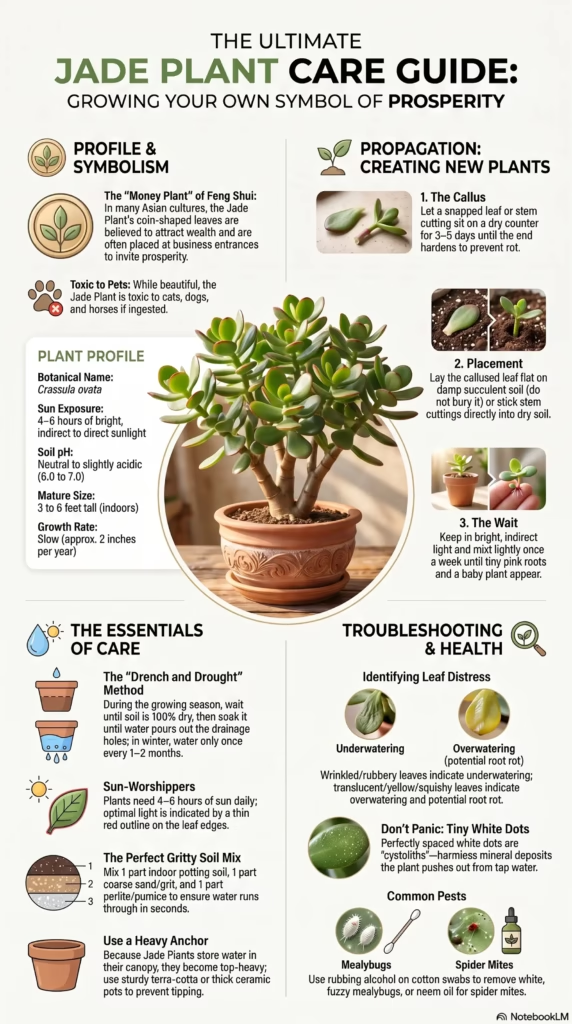
Jade Plant Profile Quick Look
| Feature | Details |
| Common Name | Jade Plant, Money Plant, Lucky Plant |
| Botanical Name | Crassula ovata |
| Plant Type | Broadleaf evergreen succulent |
| Mature Size | 3 to 6 feet tall indoors (can take decades!) |
| Sun Exposure | Bright, indirect to direct sunlight |
| Soil Type | Very loose, fast-draining rocky/sandy mix |
| Soil pH | Neutral to slightly acidic (6.0 to 7.0) |
| Toxicity | Toxic to cats, dogs, and horses if ingested |
| Native Area | South Africa |
Fun Fact: A Symbol of Prosperity
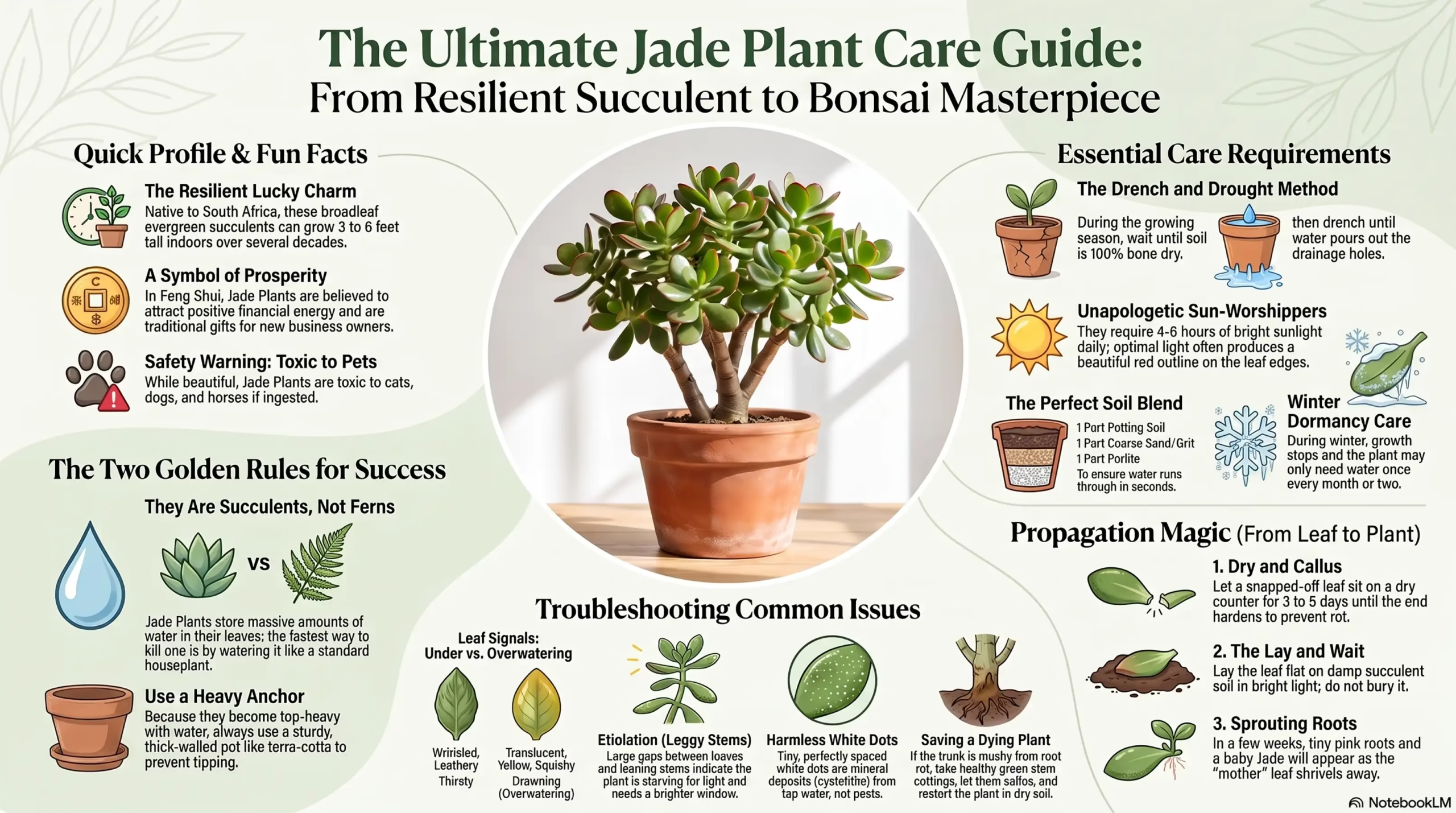
In many Asian cultures, the Jade Plant is deeply intertwined with Feng Shui practices and is considered the ultimate symbol of good luck, wealth, and financial prosperity. Its coin-shaped leaves are believed to attract positive financial energy. It is a traditional and highly thoughtful gift for new business owners, often placed near the entrance of a shop or restaurant to invite success through the front door!
A Beginner’s Tips for Success
If you only remember two things about Jade Plant care, make it these:
- They are succulents, not ferns. They store massive amounts of water in their leaves and stems. The fastest way to kill a Jade Plant is by loving it too much and watering it like a standard houseplant.
- They need a heavy anchor. Because they store so much water in their top canopy, they become incredibly top-heavy as they grow. Always plant them in a heavy, sturdy pot (like terra-cotta or thick ceramic) so they don’t tip over.
How to Plant
Setting up your Jade Plant’s environment correctly from day one will prevent almost every common disease and issue down the road.
The Right Pot
A Jade Plant has a surprisingly shallow root system for a plant that can grow into a small tree. Do not put a small plant in a massive pot; the excess soil will trap too much water and rot the shallow roots. Choose a heavy, thick-walled pot that is only 1 to 2 inches wider than the root ball. Drainage holes are completely non-negotiable.
The Best Soil
Standard potting soil will suffocate a Jade Plant. The best potting soil mix for indoor jade plant longevity is a highly aerated, gritty mix that mimics its rocky native habitat.
Create a fast-draining mix by blending:
- 1 part standard indoor potting soil
- 1 part coarse builder’s sand or poultry grit
- 1 part perlite or pumice
This ensures that when you water the plant, the moisture runs through the pot in seconds, leaving the roots just slightly damp.
Essential Jade Plant Care
Light Requirements
Jade Plants are unapologetic sun-worshippers. To maintain a compact, bushy shape with strong stems, they need at least four to six hours of bright sunlight every day. A south-facing or west-facing window is usually the best spot in the house.
If your Jade is getting optimal light, you will often see a beautiful, thin red outline develop around the edges of the green leaves. If it is kept in a dim room, it will start to stretch out, growing long, weak, floppy stems in a desperate search for the sun.
Water: The Drench and Drought Method
Mastering the watering schedule is the key to Jade Plant survival.
- During the growing season (Spring and Summer): Wait until the soil is 100% bone dry all the way to the bottom of the pot. When you water, drench it thoroughly until water pours out the drainage holes. Empty the saucer immediately. Do not water it again until the soil is completely dry.
- How often to water indoor jade plant in winter: When the days get shorter, the plant goes dormant and stops growing. It needs very little water during this time. You may only need to water your Jade once every month or two during the deep winter.
Temperature and Humidity
They love standard room temperatures between 65°F and 75°F. However, they prefer a slight drop in temperature at night (around 55°F). Keep them away from freezing, drafty windows or blasting heaters. Because they are desert natives, they do perfectly fine in dry indoor air and never need to be misted.
Fertilizer
Jade Plants are slow growers and light feeders. Apply a specialized liquid succulent fertilizer diluted to half-strength just once or twice during the early spring and summer. Do not fertilize in the winter.
Propagating Your Jade Plant
Multiplying a Jade Plant is practically magic. They are one of the easiest plants on earth to propagate!
How to Propagate Jade Plant from Leaves Fast
If a leaf accidentally snaps off, don’t throw it away!
- Dry it out: Take a healthy, plump leaf and let it sit on a dry counter for 3 to 5 days so the broken end can form a hard, dry callus. (If you skip this, it will rot in the soil).
- Lay it on dirt: Lay the callused leaf flat on top of a shallow tray filled with slightly damp succulent soil. Do not bury it!
- Wait and mist: Place the tray in bright, indirect light. Mist the soil very lightly once a week.
- The Magic: In a few weeks, you will see tiny pink roots sprout from the callused end, followed by a microscopic baby Jade Plant! Once the original “mother” leaf completely shrivels and falls off, you can plant the baby in its own tiny pot.
Stem Cuttings
If your plant is getting too tall, you can take a stem cutting. Use sterile shears to cut a 3-to-4-inch piece of stem. Remove the bottom leaves, let the stem callus for a few days, and then stick it directly into dry succulent soil. Wait a week before watering it.
Common Pests
While generally pest-resistant, stressed Jade Plants can occasionally attract bugs:
- Mealybugs: These are the most common enemy. They look like tiny, white, fuzzy cotton balls hiding in the tight crevices where the leaves meet the stem. Wipe them away with a cotton swab dipped in rubbing alcohol.
- Spider Mites: Microscopic arachnids that leave fine webbing and dusty spots on the leaves. Wipe the leaves down and apply a gentle neem oil spray.
Common Issues (Troubleshooting)
Why Are My Jade Plant Leaves Falling Off and Shriveling?
This is the most common cry for help from Jade owners. Look closely at the leaves to determine the cause:
- Underwatering: If the leaves look deeply wrinkled, puckered, and feel deflated and rubbery before they fall off, the plant is desperately thirsty. Give it a deep, restorative soaking.
- Overwatering: If the leaves are turning a translucent yellow, feel soft and squishy like a water balloon, and fall off at the slightest touch, you are overwatering and the roots are drowning.
Leggy, Floppy Stems (Etiolation)
If the space between the leaves is very wide and the stems are leaning over, the plant is starving for light. You must move it to a brighter window. You can also prune the floppy stems back to encourage the plant to grow a thicker, stronger trunk.
How to Save a Dying Jade Plant
If your Jade Plant is dropping mushy leaves, the stems are turning black and soft at the base, and the soil smells like a swamp, it is dying of root rot.
Figuring out how to save a dying jade plant indoors requires immediate, drastic action:
- Unpot it immediately: Take the plant out of the wet dirt.
- Inspect the damage: If the roots are black and slimy, but the stems are still firm and green, use a sterile knife to cut away all the rotting roots. Let the plant sit bare-root on a counter for a few days to dry out, then repot in bone-dry, highly gritty soil.
- The Last Resort: If the main trunk is black and mushy, the bottom of the plant is dead. Your only option is to take sharp shears and cut the healthy, green upper branches off entirely. Let those stem cuttings callus for a few days, and plant them to start a brand new plant!